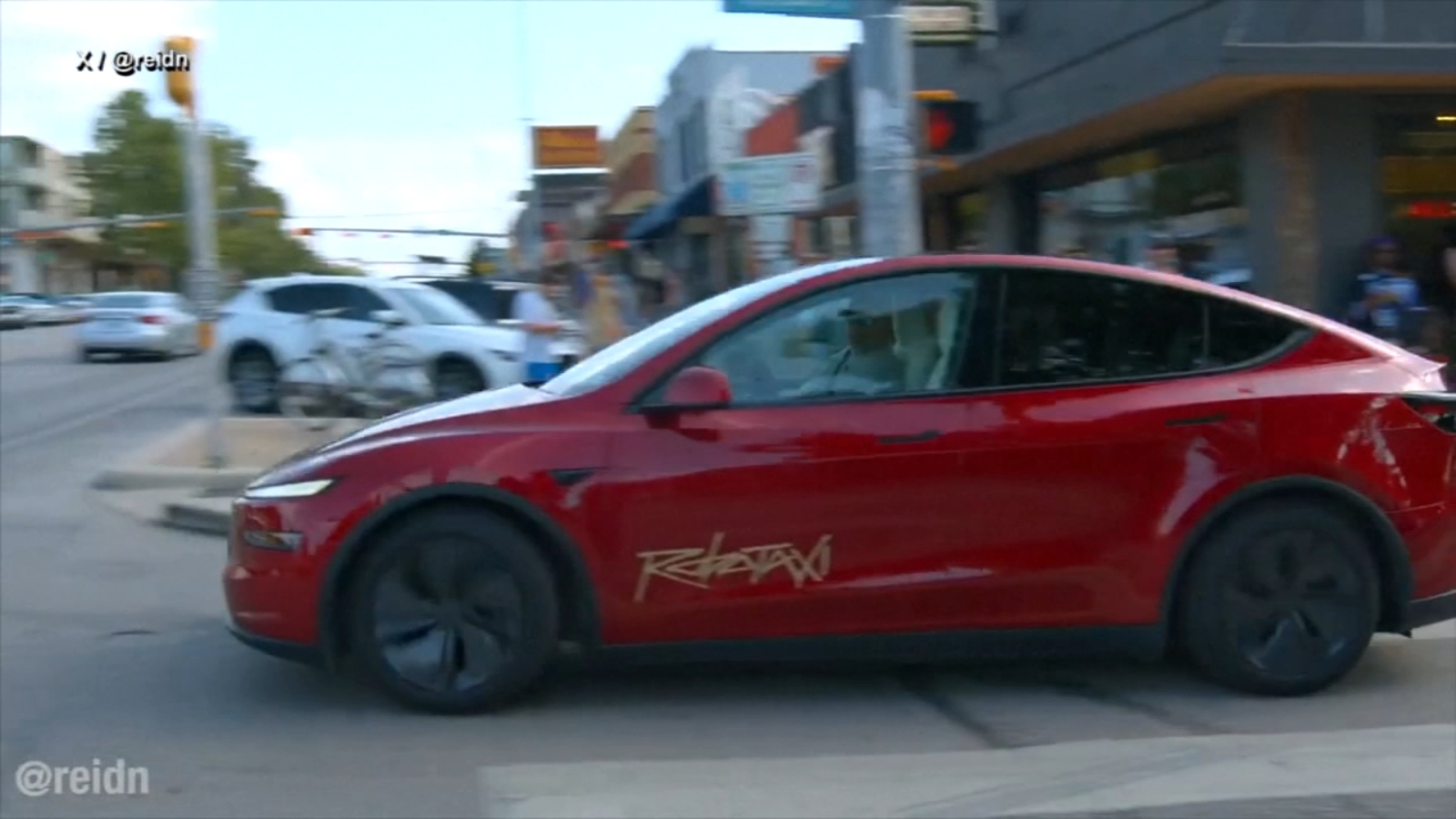
Elon Musk's ambitious vision for a fully autonomous future has long been a cornerstone of Tesla's narrative. From promises of a million robotaxis by 2020 to the near-annual assurance that "Full Self-Driving" (FSD) is just around the corner, the world has become accustomed to the electric vehicle giant operating on its own unique timeline. Now, with the highly anticipated tesla robotaxi push event — originally slated for August 8th — officially rescheduled for October 10th, the industry and eager investors are left wondering: will this new date finally mark a tangible step towards true autonomy, or merely another chapter in a long history of delayed gratification?
The stakes couldn't be higher for Tesla. As competition intensifies in the EV market and past growth rates become harder to sustain, the robotaxi project has emerged as a critical lifeline, reportedly even taking precedence over the long-awaited, mass-market Model 2. This strategic pivot highlights the immense pressure on Tesla to deliver a revolutionary product that can reinvigorate its stock and reaffirm its position as an innovation leader. Yet, the path to a fully operational, revenue-generating robotaxi service is fraught with technical, regulatory, and financial hurdles, making the upcoming October reveal one of the most significant moments in Tesla's recent history.
The Shifting Sands of Tesla's Autonomous Ambitions
Musk's pronouncements on autonomous vehicles stretch back years, painting a picture of a future where Tesla owners could effortlessly monetize their vehicles through a "Tesla Network" taxi service. First announced in 2016, this vision was refined in 2019 with promises of providing infrastructure and taking a 25-30% revenue cut from owners. However, these ambitious timelines, much like the promise of a vast fleet of robotaxis by 2020, have consistently failed to materialize.
Today, Tesla's current "Full Self-Driving" system, despite its evocative name, is classified as a Level 2 driver-assist system on the SAE scale of autonomy. This means it requires constant driver supervision and intervention, a stark contrast to the true Level 4 or Level 5 autonomy required for a fully operational robotaxi. The misleading nomenclature and documented performance issues have understandably attracted scrutiny from regulators, underscoring the vast chasm between current capabilities and the ultimate goal.
The current tesla robotaxi push signifies a significant evolution in strategy. Instead of relying on existing vehicles through a network, the focus has shifted to a "purpose-built" autonomous vehicle. This transition, while potentially offering a more optimized platform for self-driving technology, introduces new complexities. During the recent earnings call, Musk notably sidestepped questions regarding whether this new Robotaxi would even feature a steering wheel or pedals – a fundamental design choice with massive implications for regulatory approval and public perception. For context, competitors like Cruise initially pursued a purpose-built EV without manual controls (the Origin) but later opted for a modified version of an existing vehicle for their taxi service, highlighting the practical challenges of such a radical design.
From Network to Purpose-Built: A Complex Evolution
- Initial Vision (2016-2019): Tesla Network allowing owners to rent out their FSD-equipped cars as taxis, with Tesla taking a revenue cut.
- Current Reality: FSD remains a Level 2 driver-assist system, requiring human oversight.
- New Direction (2022 onwards): Development of a dedicated, purpose-built autonomous Robotaxi vehicle. This potentially means an entirely new platform, not just a software upgrade for existing cars.
- Unanswered Questions: The presence of manual controls (steering wheel, pedals) on the new Robotaxi remains uncertain, raising questions about its readiness for true driverless operation.
Why the Delay? Unpacking Tesla's Internal & External Pressures
The recent postponement of the Robotaxi reveal from August 8th to October 10th came as little surprise to industry watchers. Tesla informed employees of the delay through internal communications, citing the need for "more time to build prototypes." This announcement was quickly followed by a roughly ten percent workforce reduction across the company, suggesting internal challenges are indeed at play.
One of the most significant external pressures driving the intense tesla robotaxi push is the rapidly evolving global EV landscape. Chinese automaker BYD recently surpassed Tesla as the world’s top-selling EV brand and offers models as cheap as $9,600. This heightened competition, coupled with Tesla's own stagnating sales and unmet targets, has put immense pressure on the company to identify its next major growth engine. The reported shelving of the mass-market $25,000 Model 2 to prioritize the Robotaxi project underscores the urgency and strategic importance of this autonomous venture for Tesla's future financial health. Investors, accustomed to Tesla's past exponential growth, are ravenously craving a new narrative, and the Robotaxi is now positioned as that narrative. For a deeper dive into this strategic shift, read our article: Tesla's Robotaxi Pivot: Saving Growth at Model 2's Expense?
Beyond competitive pressures, Elon Musk's historical pattern of over-promising and under-delivering also casts a long shadow. Examples abound, from the near-annual declarations that true self-driving is "just around the corner" to the culling of experimental features like wide-scale gigacasting adoption, the infotainment support for Steam games, and even making the controversial steering yoke a paid option. These instances suggest a pattern where ambitious aims, whether to "stroke his own ego or placate frustrated investors," often encounter unforeseen engineering and logistical challenges. The Robotaxi, therefore, becomes the latest and perhaps most crucial test of Musk's ability to turn grand visions into concrete realities.
Beyond the Hype: What True Autonomy Entails and the Road Ahead
To understand the true significance of the October 10th reveal, it's crucial to differentiate between Tesla's current FSD capabilities and what constitutes true autonomous driving. SAE Level 4 (High Driving Automation) and Level 5 (Full Driving Automation) systems can perform all driving tasks under specific conditions or all conditions, respectively, without human intervention. This is a monumental leap from Level 2 driver-assist, where the human driver remains ultimately responsible.
Developing a commercial robotaxi service demands overcoming immense technical hurdles: perfecting perception in diverse conditions, accurately predicting the behavior of other road users, and planning safe and efficient routes in real-time. Beyond the technology, regulatory and legal frameworks are still evolving, posing significant challenges for deployment at scale. Issues like liability in an accident, obtaining permits for driverless operation, and building public trust are critical components that must be addressed before widespread adoption. Companies like Waymo have been operating limited robotaxi services for years, yet they still face these complex challenges.
When October 10th arrives, the world will be looking for more than just a slick presentation. Key questions will include:
- Functionality: Will the revealed Robotaxi be a static concept or a truly functional, self-driving prototype?
- Operational Design Domain (ODD): What will be the specified operating conditions (e.g., geofenced areas, weather limitations, time of day)? This defines the practical scope of its autonomy.
- Vehicle Design: Will it indeed lack a steering wheel and pedals, signaling a confident step towards Level 4/5 autonomy, or will it retain manual controls, suggesting a more incremental approach?
- Deployment Timeline: What concrete timelines will be offered for pilot programs, regulatory approvals, and eventual public launch?
It's important to remember that a "reveal" is not a "launch." The journey from a prototype unveiling to a scalable, commercially viable robotaxi service is long and arduous. For investors, it's wise to focus on verifiable progress, regulatory clearances, and clear deployment strategies rather than just initial announcements. For consumers, understanding the distinctions in autonomous levels is paramount for safety and realistic expectations. The October 10th event will undoubtedly be informative, but the real test will be what happens in the years that follow. For more details on the event, see: Tesla Robotaxi Unveiling Delayed to October 10.
The tesla robotaxi push represents a high-stakes gamble for Elon Musk and the company. After years of iterative promises and delays, the October 10th reveal carries the weight of reinvigorating investor confidence and demonstrating Tesla's continued capacity for disruptive innovation. While the potential for fully autonomous ride-sharing is transformative, the path to achieving it is paved with significant technical, regulatory, and competitive challenges. Whether this October will truly deliver a viable roadmap to autonomy or simply another highly anticipated chapter in Tesla's ongoing saga remains to be seen. The world watches keenly, hoping that this time, the promises will align more closely with reality.